

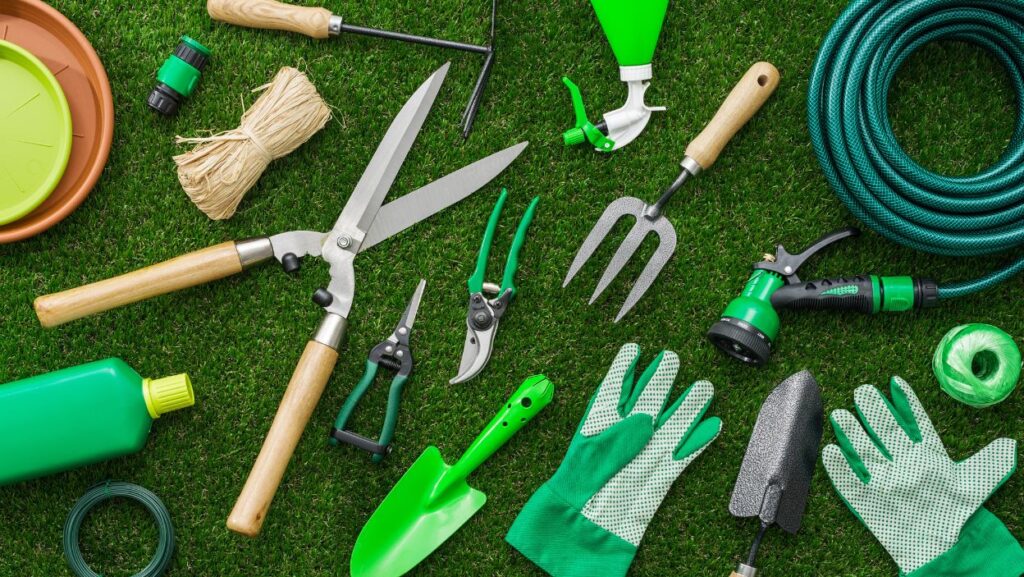
Starting your gardening journey can feel overwhelming, but with the right beginner gardening tools, you’ll be planting, pruning, and harvesting in no time.
Whether you’re nurturing a backyard garden or dreaming of a career in horticulture, this guide covers the essential tools every new gardener should own—and how they can help you grow from hobbyist to professional.
If you’re curious about professional opportunities, check out the Royal Horticultural Society’s horticulture career resources.
Why Gardening Tools Matter
Imagine trying to bake without a whisk or build without a hammer. Gardening is no different. The right tools:
- Save time and effort
- Prevent injury to plants and yourself
- Lay the groundwork for professional competence
- Encourage you to take your garden—and goals—seriously
Whether you’re growing herbs or designing landscapes, tool proficiency is the root of success.
Top 10 Beginner Gardening Tools Every New Gardener Needs
Let’s dig into the tools you’ll want in your shed (or balcony basket). Each has its purpose, and all are beginner-friendly and career-relevant.
1. Gardening Gloves – A Must-Have Beginner Gardening Tool
Why you need them: Protects hands from thorns, insects, and soil-borne bacteria.
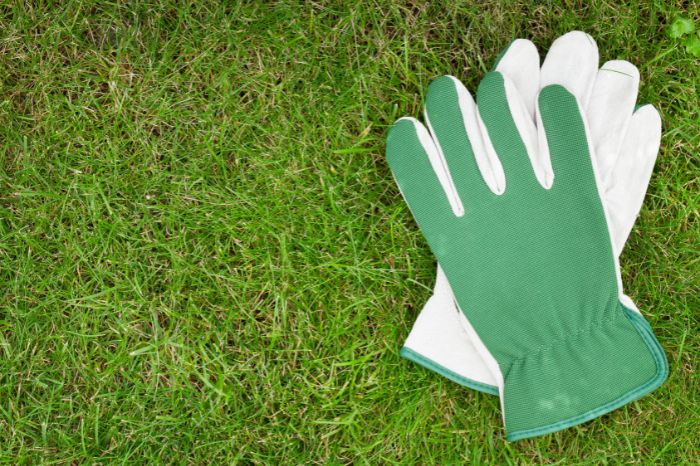
Tip: Choose breathable, snug-fitting gloves with reinforced fingertips.
Pro Insight: Professionals wear gloves to prevent infections and improve grip during long hours in the field.
2. Hand Trowel – Essential Beginner Gardening Tool for Planting
Use it for: Planting, transplanting, digging small holes, and scooping soil.

Tip: Look for a trowel with a strong, stainless steel blade and ergonomic handle.
Career Pathway: A tool you’ll use whether you’re in a home garden or managing rows in a botanical nursery.
3. Pruning Shears (Secateurs)
Use it for: Cutting back branches, deadheading flowers, and trimming herbs.


Tip: Bypass pruners are great for live stems; anvil pruners are best for dead branches.
Pro Insight: Knowing how to prune properly is essential for landscape maintenance jobs.
4. Garden Fork
Use it for: Loosening compacted soil and turning compost.

Tip: Choose a fork with flat tines for turning soil and rounded tines for digging.
Professional Use: Soil aeration is part of any landscaping or agriculture-based job.
5. Spade
Use it for: Digging, edging, lifting sod, and planting trees.

Tip: A D-shaped handle offers better grip for beginners.
Pro Insight: A spade is standard issue in professional landscape work.
6. Hoe
Use it for: Weeding and breaking up soil.

Tip: Dutch hoes are great for slicing weeds at the root.
Career Tie-In: Weed control is critical in farming and urban landscaping.
7. Rake
Use it for: Leveling soil, clearing leaves, and preparing seedbeds.

Tip: Steel rakes are best for soil; plastic rakes are better for leaves.
Pro Insight: You’ll use rakes extensively in garden design or groundskeeping.
8. Watering Can / Hose with Nozzle
Use it for: Hydrating your garden efficiently and evenly.

Tip: A long spout provides better reach; a nozzle helps control flow.
Career Growth: Water management is a core skill in greenhouse operations.
9. Wheelbarrow
Use it for: Moving compost, soil, mulch, or tools.

Tip: A single-wheel barrow is more maneuverable; two wheels offer more balance.
Pro Insight: Essential in landscaping and nursery operations for load handling.
10. Garden Kneeler or Pad
Use it for: Comfort during long weeding or planting sessions.

Tip: Choose foldable kneelers with handles for easy standing.
Career Benefit: Protects knees during full-day gardening tasks on the job.
Bonus Gardening Tools to Level Up Your Beginner Toolkit
As your garden grows, so will your toolkit. Here are some bonus items to consider:
- Soil tester kits – for checking pH and nutrients
- Seed trays – to start plants indoors
- Plant labels and markers – to stay organized
- Garden journal or app – to track growth and tasks
Don’t forget tool care—Fine Gardening has a great guide on maintaining tools for long-term use.
How to Care for Your Tools
Taking care of tools saves money and makes gardening safer.
Tool Care Tips:
- Clean with water and dry after each use
- Oil metal parts to prevent rust
- Store in a dry place or shed
- Sharpen pruners and hoes regularly
These habits also reflect professionalism—great for job interviews or managing a team.
From Beginner Gardening Tools to a Career in Gardening
Did you know that understanding basic gardening tools is the first step into many green careers?
Learning how to use beginner gardening tools can do more than improve your backyard—it can set you on the path to a fulfilling green career. Whether you’re interested in landscaping, nursery management, or organic farming, mastering the basics is your first step.
Platforms like Coursera and Oregon State University offer online gardening courses that can prepare you for a job or business in the green industry.
Popular Career Options:
- Landscape Designer
- Urban Farmer
- Horticulturist
- Greenhouse Technician
- Garden Center Assistant
- Botanical Garden Caretaker
How to Get Started:
- Volunteer at community gardens or nurseries
- Enroll in horticulture or landscape design courses
- Attend workshops and certifications
- Build a personal garden portfolio
- Learn soft skills like time management, teamwork, and customer service
Mastery of simple tools is often tested during job trials or interviews in horticulture-related roles.
Beginner Gardening Tool Kit vs. Buying Separately
Should You Buy a Set or Assemble Your Own?
| Option | Pros | Cons |
| Pre-packed Kit | Affordable, beginner-friendly | May include tools you don’t need |
| DIY Collection | Tailored to your needs | Slightly higher cost upfront |
Recommended Brands: Fiskars, Spear & Jackson, Corona, Burgon & Ball (for hobbyists and professionals alike)
Final Thoughts: From Hobbyist to Green Professional
Starting your gardening journey doesn’t require acres of land or a degree in botany—just a willingness to get your hands dirty and a few well-chosen tools. Whether you want fresh herbs for your kitchen or are considering a role in sustainable agriculture, learning how to use basic gardening tools is your first step from seed to success.
Investing in the right beginner gardening tools not only improves your gardening experience but can also spark a lifelong career in the green industry.
Key Takeaways
- Start with 10 essential tools: gloves, trowel, shears, fork, spade, hoe, rake, watering tool, wheelbarrow, and kneeler.
- Maintain your tools to ensure longevity and performance.
- Gardening skills can turn into job opportunities in landscaping, farming, or greenhouse management.
- Practice, patience, and persistence can grow your passion into a profession.
Explore More: National Gardening Association, American Horticultural Society