


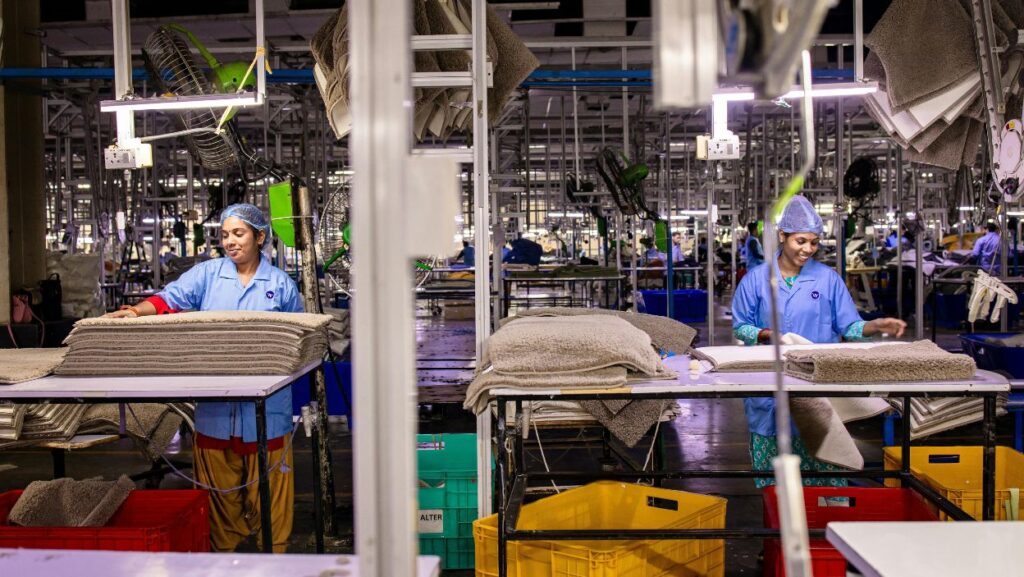
In today’s fast-changing global economy, the demand for skilled workers in India and abroad is rising rapidly. From IT professionals to healthcare workers and skilled tradespeople, industries across the world are scrambling to fill critical roles. Interestingly, India is emerging as a major global supplier of skilled talent, thanks to its young population, robust education system, and rapidly growing tech ecosystem.
This article explores the growing demand for skilled workers both in India and abroad, why Indian talent is in high demand, and what steps are needed to bridge the existing skill gaps.
Understanding the Global Demand for Skilled Workers
The global demand for skilled workers has surged in recent years, driven by rapid technological advancements, shifting demographics, and changing workforce needs.
Developed countries are facing acute labor shortages, especially in sectors like healthcare, IT, engineering, and skilled trades.
As economies recover post-pandemic, the gap between available talent and job requirements continues to widen. This growing disparity has made attracting skilled professionals a top priority for nations worldwide, creating significant opportunities for countries like India that have a large, educated, and youthful workforce ready to step in.
📉 Why Countries Are Competing for Skilled Labor
With aging populations and rapidly evolving industries, many countries are struggling to fill critical skill gaps. As a result, skilled labor has become one of the most sought-after resources in the global economy. To stay competitive and ensure continued economic growth, nations are actively revising immigration policies and investing in attracting skilled professionals from abroad.
- Aging Workforce: Developed countries like Japan, Germany, and Italy face declining birth rates and growing retiree populations, leading to fewer workers available for essential jobs.
- Post-Pandemic Recovery: The COVID-19 pandemic caused large-scale workforce disruptions and accelerated retirement in several sectors, leaving unfilled roles across industries.
- Rapid Digitalization: Advancements in technology, AI, and automation have fueled demand for digital skills that many local labor markets are unable to meet.
- Educational Gaps: In some countries, the education system is not producing enough job-ready graduates in high-demand sectors like healthcare, tech, and engineering.
- Economic Growth Goals: A strong skilled workforce is essential for maintaining productivity, driving innovation, and supporting long-term economic expansion.
- Policy Shifts: Countries like Canada, Australia, and Germany have introduced skilled migration programs to attract foreign professionals and address domestic labor shortages.
🔍 What’s Driving This Global Talent Crunch?
The surge in demand for specialized skills is outpacing the supply of qualified professionals worldwide. From automation to demographic shifts, several factors are fueling this growing talent gap.
- Technological Advancements: Rapid adoption of AI, machine learning, and automation is creating new roles that require advanced digital and analytical skills.
- Globalization of Work: As businesses expand internationally, they need workers who can operate in diverse, cross-cultural environments with global competence.
- Aging Populations: Many developed countries are seeing a decline in their working-age population, creating more job openings than they can locally fill.
- Skill Mismatch: Educational systems in many regions are not aligned with current job market demands, leaving graduates unprepared for in-demand roles.
- Remote Work Revolution: The rise of remote work has enabled companies to hire globally, increasing competition for top talent in every corner of the world.
- Economic Transformation: Sectors like renewable energy, biotech, and fintech are emerging rapidly, requiring new skill sets that traditional labor pools don’t yet offer.
We’re not just facing a shortage of workers; we’re facing a shortage of workers with the right skills
Jonas Prising, CEO, ManpowerGroup.
India’s Role in Meeting the Demand for Skilled Workers Worldwide
How India Is Emerging as a Global Skills Powerhouse
India is uniquely positioned to help bridge the global talent gap, thanks to its vast pool of young professionals, growing emphasis on skill development, and increasing alignment with global job market needs. Countries across the world are turning to India to meet their demand for engineers, IT experts, healthcare professionals, and more — making India a key player in the global labor market.
Key Contributions and Strengths:
- Demographic Advantage: With over 65% of the population under the age of 35, India has one of the world’s youngest and largest working-age populations.
- Strong STEM Education Base: India produces millions of graduates each year in science, technology, engineering, and mathematics (STEM), filling critical roles in tech-driven industries.
- Thriving IT & Services Sector: India is a global hub for IT, business process outsourcing, and digital services, making it a go-to source for skilled tech talent.
- Growing Vocational Training Ecosystem: Initiatives like Skill India Mission, National Skill Development Corporation (NSDC), and PMKVY (Pradhan Mantri Kaushal Vikas Yojana) are building job-ready skills across various sectors including healthcare, construction, and manufacturing.
- Global Mobility of Talent: Indian professionals are increasingly sought after in countries like the U.S., Canada, Germany, Australia, and the Middle East due to their expertise and adaptability.
- English Proficiency & Soft Skills: High levels of English fluency and cross-cultural communication skills give Indian workers a competitive edge in international markets.
Top Sectors Driving the Demand for Skilled Workers in India and Abroad
The global shift toward technology, healthcare, and infrastructure is creating unprecedented demand for skilled professionals. Below are some of the top sectors actively hiring talent across India and international markets.
| Sector | High Demand Regions | Roles in Demand |
| IT & Software | USA, Canada, UK, Germany | Developers, DevOps, Cloud Engineers |
| Healthcare | Germany, UAE, Canada | Nurses, Radiologists, Lab Technicians |
| Skilled Trades | Australia, Middle East | Welders, Electricians, Plumbers |
| Engineering | Japan, USA, EU | Civil, Mechanical, Electrical Engineers |
| Green Energy | Europe, USA | Solar Technicians, EV Experts |
| Data & AI | Globally | Data Scientists, AI/ML Engineers |
| Hospitality | Gulf, Europe | Chefs, Hotel Staff, Customer Service |
Opportunities Abroad for Indian Skilled Workers
As countries face domestic skill shortages, Indian professionals are increasingly being welcomed to fill critical roles. From healthcare to IT, international markets are opening up exciting career paths for skilled Indian workers.
🌐 Countries Hiring Indian Talent
India is one of the top sources of global skilled migration. Countries actively recruiting Indian professionals include:
- Germany: Introduced Skilled Immigration Act for non-EU workers.
- Canada: Offers Express Entry for skilled professionals.
- Japan: Allows certain skilled foreign workers on long-term visas.
- UAE & Saudi Arabia: Streamlining work visa processes for Indian talent.
Indian professionals are recognized for their adaptability, strong work ethic, and command of English
Caroline Freund, Dean of UC San Diego’s School of Global Policy and Strategy
Challenges Faced by Skilled Workers in India Seeking Global Jobs
Despite the growing global demand for Indian talent, skilled workers still face hurdles when seeking opportunities abroad. From complex immigration processes to cultural adaptation and skill recognition, these challenges can slow down or limit access to international roles.
⚠️ Skill Mismatch
Many graduates don’t meet industry standards due to outdated curricula or lack of practical training.
⚠️ Visa and Regulatory Hurdles
Credential recognition, language tests, and immigration delays often restrict mobility.
⚠️ Brain Drain vs. Brain Gain
The outflow of talent can lead to domestic shortages. However, if managed well, returning workers bring back valuable skills and global exposure.
How India is Preparing Skilled Workers for Global Opportunities
To meet both domestic and global demand, India is investing in skill development and international partnerships. These initiatives aim to equip workers with industry-relevant expertise and enhance global employability.
- Skill India Digital Platform: One-stop portal for skilling, reskilling, and upskilling.
- TCS iON, Simplilearn, and Coursera: Offering affordable, industry-ready certifications.
- Startup India & Atmanirbhar Bharat: Empowering youth to create jobs, not just seek them.
The Future of Demand for Skilled Workers in India and Abroad
As technology evolves and economies become more interconnected, the demand for skilled professionals will only grow. Adapting to future needs will require continuous learning, policy alignment, and global collaboration.
- Tech-driven skilling (e.g., AI/VR for vocational training)
- Rise of hybrid work and freelance global talent platforms
- Growing importance of soft skills and cross-cultural fluency
- India’s potential to become the “Skilled Capital of the World”
- Featuring contributors from different backgrounds
The future belongs to countries that can train and export skills, not just goods.
Dr. Raghuram Rajan, former RBI Governor
Key Takeaways
Here’s a quick summary of the most important insights on the rising demand for skilled workers in India and across the globe.
- There’s a surging global demand for skilled workers, and India has the supply.
- The Indian workforce is young, capable, and increasingly well-trained.
- Sectors like IT, healthcare, trades, and AI show the highest global demand.
- Policy support, industry alignment, and continuous upskilling are essential.
- It’s not just about jobs abroad—India needs to prepare for domestic demand too.
The increasing demand for skilled workers in India and abroad presents a major opportunity for India to become the world’s skills capital. With the right training, partnerships, and support, Indian talent can lead global innovation and growth.
The time to act is now—for governments to invest, for businesses to collaborate, and for individuals to upskill.
FAQs
What is a skilled worker?
A skilled worker is someone who has specialized knowledge, training, or experience to perform a specific job—like an IT developer, plumber, or nurse.
Can Indian students go abroad directly after vocational training?
Yes, several countries recognize vocational training certificates, especially with experience or language proficiency.
Are there government programs in India that support working abroad?
Yes. Initiatives like NSDC International and Skill India provide training and global placement support.
What countries are best for Indian skilled workers?
Canada, Germany, UAE, Australia, Japan, and the UK are top destinations due to high demand and immigration reforms.
What skills are most in demand globally?
Digital skills (e.g., data science, AI, cybersecurity), healthcare expertise, skilled trades, and engineering continue to be highly sought-after worldwide.
Is a formal degree necessary to work abroad as a skilled worker?
Not always. Many countries recognize vocational training, certifications, and relevant work experience, especially in trades, construction, and healthcare sectors.
How can Indian workers prepare for global job opportunities?
Improving communication skills, gaining international certifications, staying updated with industry trends, and learning about visa and immigration requirements are key steps.
What role do government initiatives play in global employability?
Indian government programs like Skill India, NSDC, and international skill partnerships aim to standardize training, certify workers, and connect them to overseas employment opportunities.